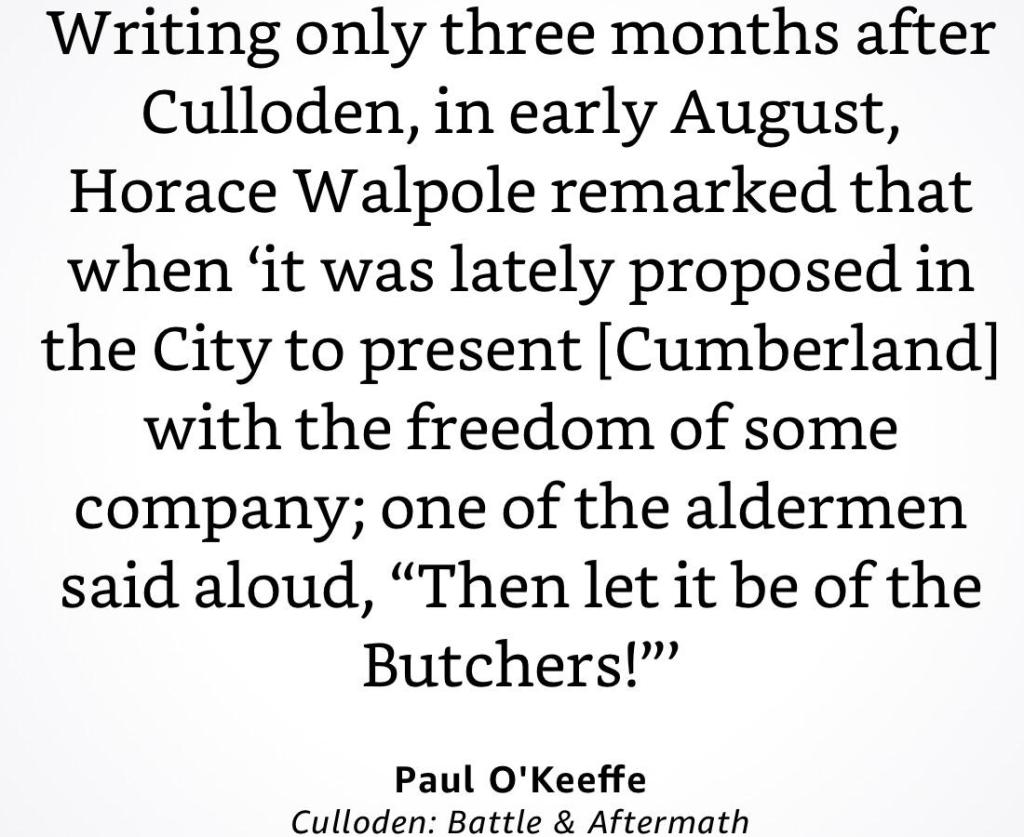
“Once you eliminate the impossible, whatever remains, no matter how improbable, must be the truth.”.
Sherlock Homes”. ― Arthur Conan Doyle.
The Site
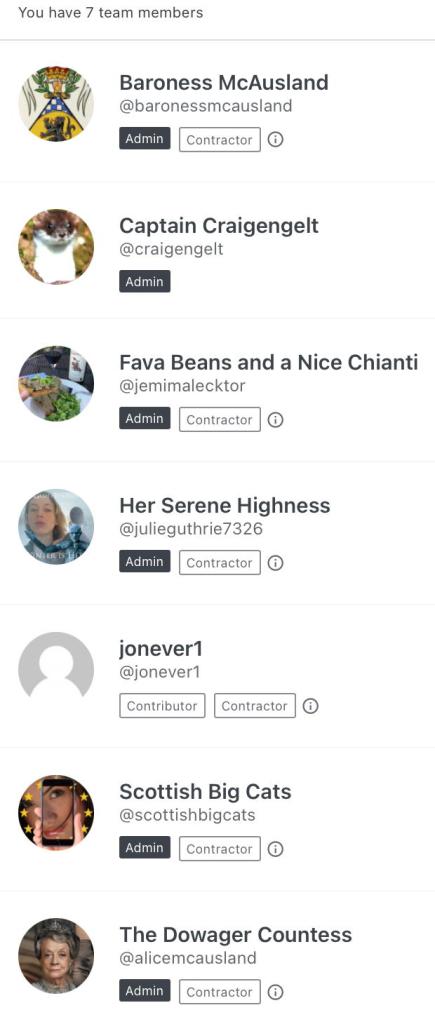
This blog consists of articles by a seven different authors and editors, each who have responsibility for a particular subject. Most, but not all of the articles concern family history. Some of these articles originally appeared on an American genealogy site, but were plagiarised with the original authors’ names removed and those of “leaders“, who had made no contribution whatsoever to the work, added in their place. A number of us therefore started this site as a home for our original research and thoughts. A few of the many articles in the blog are highlighted below.
Witchcraft & Rebellion
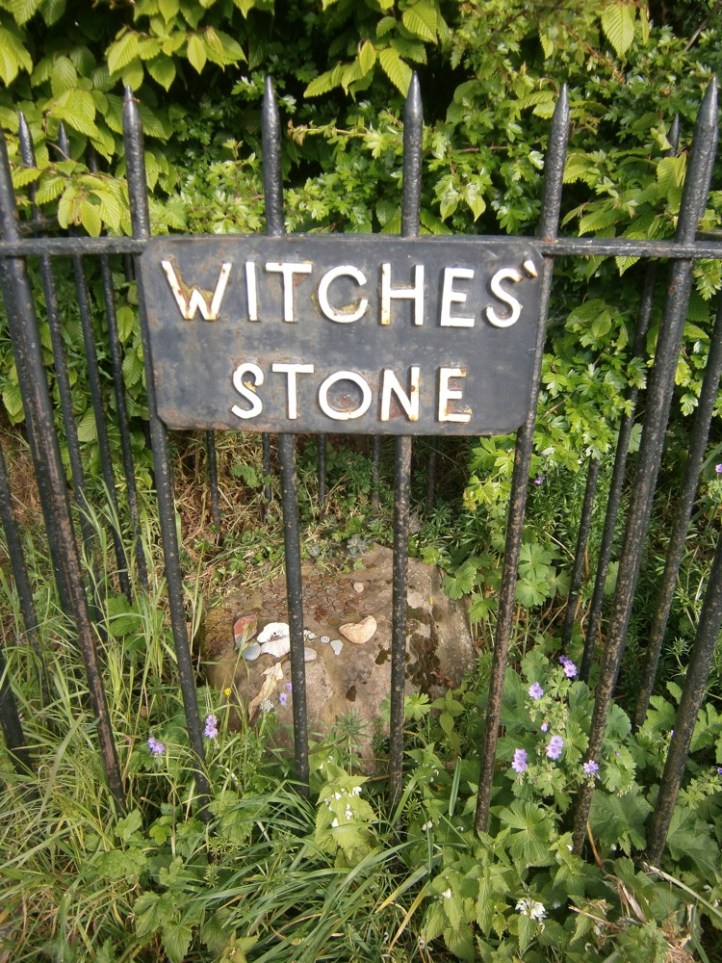
Rebels & Massacres

Family History
Clan McAusland and the Barons of Caldenoch
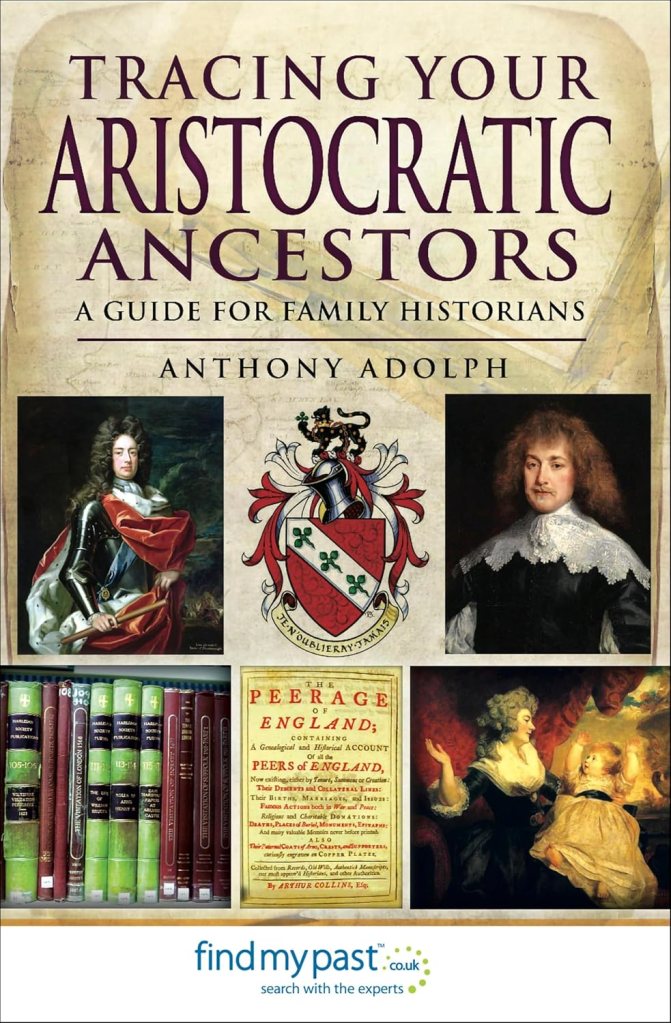
“In the Scottish Highlands, each clan chief or laird was related to all the farmers and peasants around him, and everyone knew it. His close male-line kin were tacksmen, holders of ‘tacks’ or releases of reasonable-sized tracts of the clan’s lands. The tacksmen tenanted these with their own junior kindred – who were in turn slightly more distant relatives of the laird. The junior offspring of the tenants were the peasant labourers. Each family knew their genealogy back to the chief ‘s family and bore his surname: he was the chief of the name, and in times of war, his extended family of tenants and sub-tenants provided the manpower for his personal army.
Therefore, possession of the surname of an aristocrat can well indicate that the family concerned is a junior branch of a noble line. In Highland Scotland, as also in Ireland, it is a virtual certainty.“
Anthony Adolph.
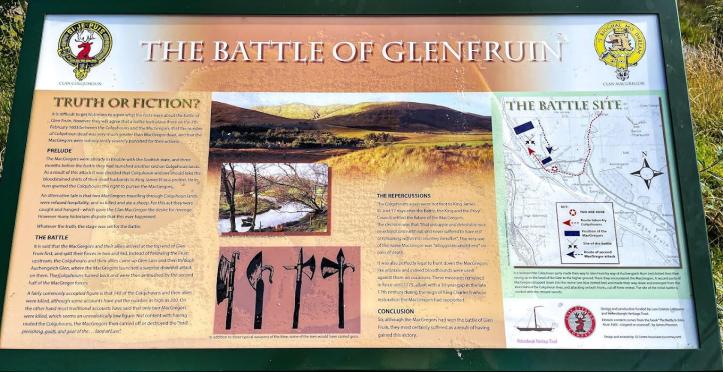
The Philps and Kirks of Cupar and Saint Andrews
The story of the Selkirk and Pryde coal mining families.
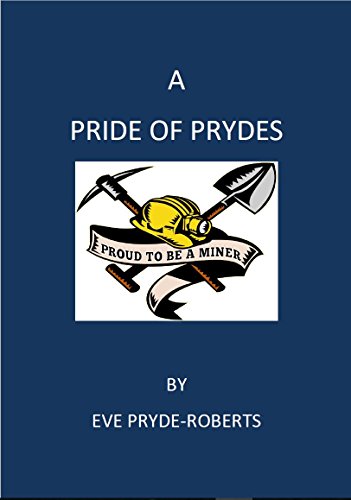
And many others….
DNA
Using DNA technology to confirm family trees.
Fiction
Some of the People Featured in the Blog, by Surname:
McAusland (including variants thereof): Mother’s family.
- John McAuslan, tenant in Wester Bannachra.
Born before 24 January 1725 in Inverlaran, Luss, Dunbartonshire, Scotland died 3 January 1795.
Exact relationship unknown. - Captain George McAusland
Born Greenock 28 February 1788 possibly died at sea 1851?
Great (x4) uncle. - Major Robert Hall McCasland of Newlandmuir
Born 30 November 1822 Barony, Lanarkshire, Scotland, died 04 January 1873 Glasgow, Lanarkshire, Scotland).
Relationship unknown. - Captain Archibald John Bonar McAusland
Born Greenock 03 July 1835, died 22 March 1874 Somerset, Queensland, Australia.
First cousin four times removed.
The Team
Vecchio

“Vecchio” is the Italian word for “old” (as used in Ponte Vecchio, meaning “old bridge”).
Vecchio (Italian: [ˈvɛkkjo]; plural vecchi, meaning “old one” or simply “old”), is a category of aged, male characters from the Italian commedia dell’arte. The primary members of this group are Pantalone, Il Dottore and Il Capitano.
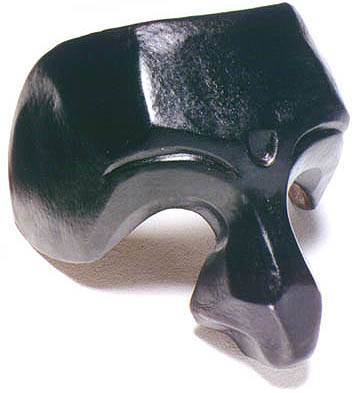
Il Dottore (pronounced [il dotˈtoːre], “the Doctor”; commonly known in Italian as Dottor Balan or simply Balanzone [balanˈtsoːne]; Bolognese Emilian: Dutåur Balanzån) is a commedia dell’arte stock character, one of the vecchi, or “old men”, whose function in a scenario is to be an obstacle to the young lovers. Il Dottore and Pantalone are the comic foil of each other, Pantalone being the decadent wealthy merchant, and Il Dottore being the decadent erudite. He has been part of the main canon of characters since the mid-16th century.